

How Long Does It Take To Improve Fertility With PCOS?

Struggling with fertility while managing PCOS can feel like running a marathon with no finish line in sight. Many women wonder, “How long does it take to improve fertility with PCOS?” The answer depends on various factors—lifestyle changes, treatments, and your body’s unique rhythm. Let’s dive deeper and uncover what to expect on your journey toward conception.
Understanding PCOS (Polycystic Ovary Syndrome)
What Is PCOS?
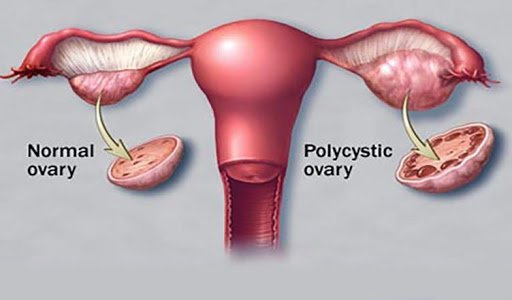
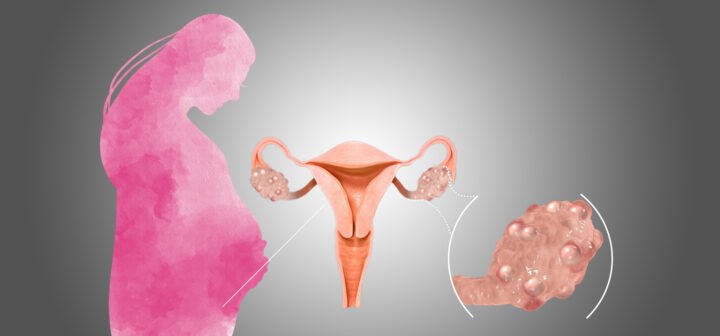
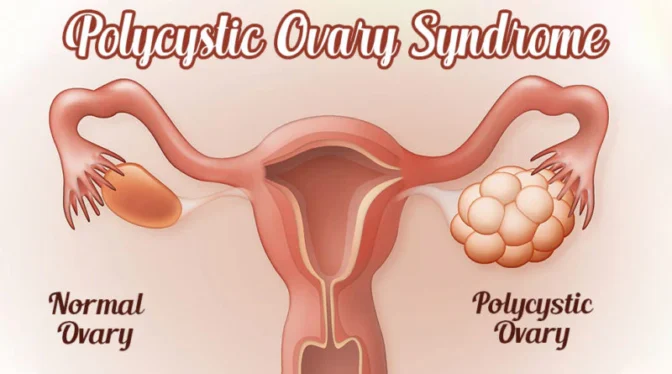
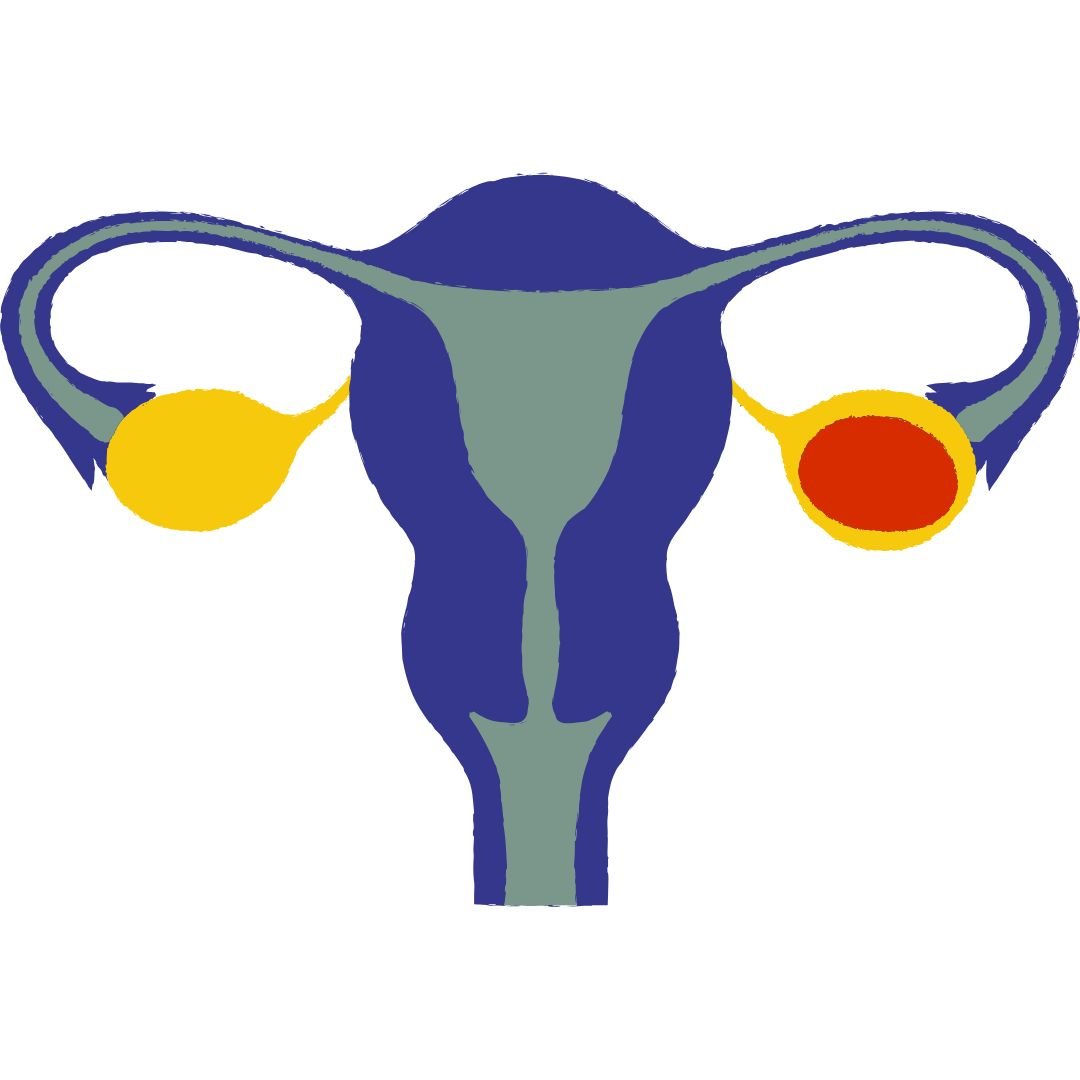
PCOS is a hormonal condition that affects how the ovaries work. It’s one of the leading causes of infertility in women, impacting ovulation and hormone production.
Common Symptoms Of PCOS
- Irregular periods
- Weight gain or difficulty losing weight
- Acne and oily skin
- Excess hair growth (hirsutism)
- Thinning hair on the scalp
How PCOS Affects Fertility
PCOS disrupts ovulation—the process when your ovary releases an egg. Without regular ovulation, conception becomes harder. However, with proper treatment and lifestyle adjustments, many women successfully become pregnant.
The Link Between PCOS And Hormonal Imbalance
Role Of Insulin Resistance
Many women with PCOS have insulin resistance, leading to higher insulin levels. This imbalance triggers increased production of male hormones (androgens), which interferes with ovulation.
Impact On Ovulation And Egg Quality
High insulin and androgen levels can delay or prevent ovulation, making it tough to predict fertile days. Over time, this can also affect egg quality.
Can Fertility Be Improved With PCOS?
Absolutely! Fertility can improve significantly with a combination of lifestyle modifications, medications, and consistent medical guidance. It may take time, but success stories are common.
Average Timeline For Improvement
On average, it can take 3 to 6 months of consistent effort—through diet, exercise, and possible medical intervention—to see noticeable improvements in fertility. Some women conceive naturally within this period, while others may require 6 to 12 months or longer.
Factors That Influence The Timeline
- Severity of PCOS symptoms
- Weight and insulin levels
- Consistency in lifestyle changes
- Age and overall reproductive health
- Response to medications
Lifestyle Changes That Boost Fertility
Importance Of A Balanced Diet
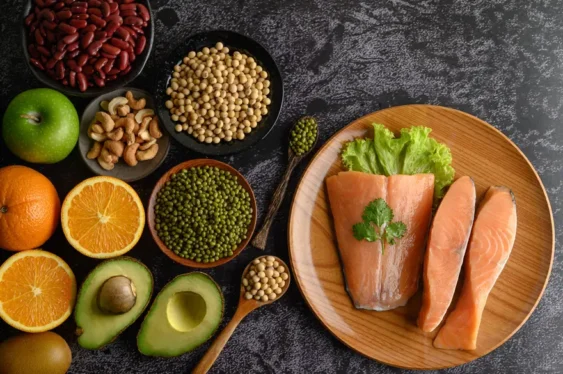
A fertility-friendly diet focuses on whole foods—fruits, vegetables, lean proteins, and healthy fats. Reducing refined sugars can help manage insulin resistance and promote hormonal balance.
Exercise And Weight Management
Moderate exercise like brisk walking, yoga, or cycling helps regulate insulin levels and boost ovulation. Even a 5-10% weight loss can improve fertility dramatically.
Stress Reduction Techniques
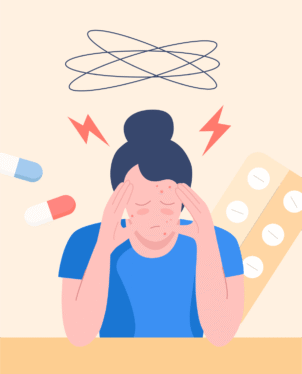
Chronic stress increases cortisol, which worsens hormonal imbalance. Try meditation, deep breathing, or journaling to calm your mind.
Medical Treatments For PCOS Fertility
Fertility Medications
Doctors often prescribe medications like Clomiphene Citrate or Letrozole to stimulate ovulation.
Birth Control Pills And Regulation
While it may sound counterintuitive, birth control pills help regulate menstrual cycles and reduce excess androgen levels before attempting conception.
Surgical Options
In rare cases, a procedure called ovarian drilling is used to restore regular ovulation when other methods fail.
Natural Remedies To Support Fertility
Herbal Supplements
Some herbs like Maca root, Vitex (Chasteberry), and Cinnamon may support hormonal balance. Always consult your doctor before using any supplement or you can book an appointment with us at Brosisherbal.com or can buy our fertility product by clicking here
Vitamins And Minerals For Hormonal Balance
- Vitamin D: Improves insulin sensitivity.
- Inositol: Promotes ovulation.
- Omega-3 Fatty Acids: Reduces inflammation.
Tracking Ovulation With PCOS
Using Ovulation Kits
Although ovulation kits may be tricky with PCOS due to fluctuating hormones, they can still help track patterns over time.
Monitoring Basal Body Temperature
Charting your temperature daily can indicate ovulation trends and help plan conception timing.
The Role Of A Fertility Specialist
A fertility specialist can tailor treatments, monitor hormone levels, and guide you through assisted reproductive options like IVF or IUI, if needed.
Success Stories And Realistic Expectations
Many women with PCOS conceive naturally or through medical support. Remember, patience and persistence pay off. Every small lifestyle adjustment counts toward success.
How To Stay Consistent And Positive
The journey can feel long, but staying consistent with healthy habits and trusting your body makes a huge difference. Celebrate small wins along the way.
Myths About PCOS And Fertility
- Myth: Women with PCOS can’t get pregnant.
- Fact: Many women with PCOS conceive naturally or with help.
- Myth: Only medication works.
- Fact: Lifestyle changes play a massive role too.
When To Seek Professional Help

If you’ve been trying for over a year (or 6 months if over 35) without success, consult a fertility specialist or else you can book an appointment with us at www.brosisherbal.com Early intervention increases your chances of conceiving faster.
Conclusion
Improving fertility with PCOS isn’t a one-size-fits-all process. With dedication, lifestyle adjustments, and proper medical support, most women see progress within 3 to 12 months. Remember—consistency is key, and your fertility journey is uniquely yours. Stay hopeful, stay healthy, and trust the process.