


Anti-Inflammatory Diet Plan Guide for a Healthier Life

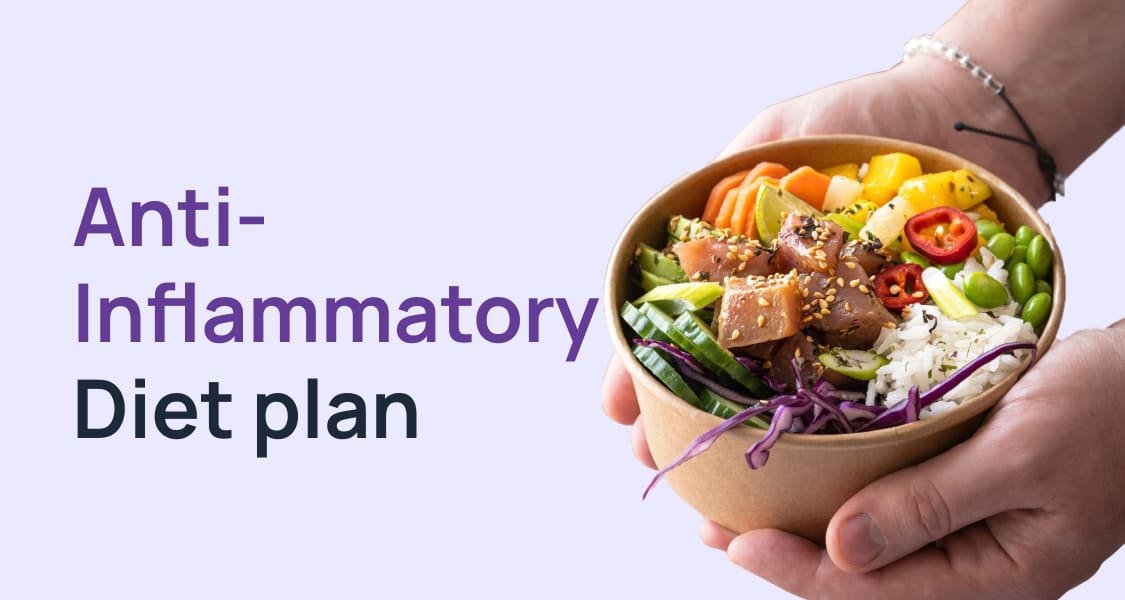
Inflammation is a natural process in the body. It helps us heal from injuries and fight infections. However, when inflammation becomes long-term it can lead to many health problems such as joint pain, heart disease, diabetes, obesity and even depression. The good news is that food plays a very important role in reducing inflammation. By following the right diet plan you can support your body improve energy levels and feel better every day.
This guide will help you understand what an anti-inflammatory diet is why it matters and how to follow a simple and effective diet plan that fits into your daily life.
What Is an Anti-Inflammatory Diet?
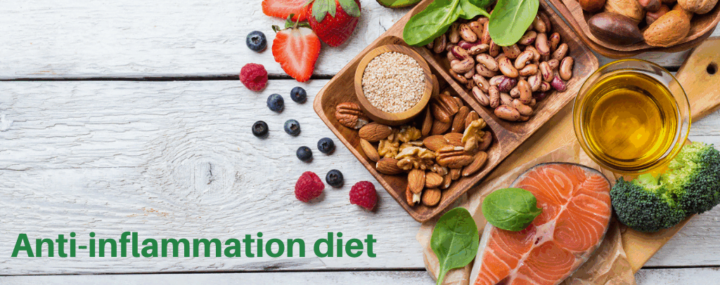
An anti-inflammatory diet focuses on foods that reduce inflammation in the body. It avoids foods that trigger inflammation and includes foods that are rich in nutrients, antioxidants, healthy fats and fiber.
This type of diet plan is not about strict rules or starving yourself. Instead it is about making smart food choices consistently. The goal is long-term health not quick results.
Why You Need an Anti-Inflammatory Diet Plan
Many modern diets are high in processed foods, sugar and unhealthy fats. These foods can increase inflammation and harm your health over time.
A well-balanced diet plan can help you:
- Reduce joint and muscle pain
- Improve digestion
- Support heart health
- Balance blood sugar levels
- Boost your immune system
- Improve mood and brain health
When you eat the right foods regularly your body gets a chance to heal from the inside.
Key Principles of an Anti-Inflammatory Diet Plan
Before we look at specific foods, it is important to understand the basic principles of this diet plan.
- Eat whole natural foods
- Avoid highly processed items
- Choose healthy fats over unhealthy fats
- Eat plenty of fruits and vegetables
- Limit sugar and refined carbs
Keeping these points in mind makes the diet easier to follow and more effective.
Foods to Include in Your Anti-Inflammatory Diet Plan
1. Fruits and Vegetables
Fruits and vegetables are the foundation of an anti-inflammatory diet plan. They are rich in vitamins, minerals and antioxidants.
Best choices include:
- Berries (blueberries, strawberries)
- Oranges and apples
- Spinach, kale and broccoli
- Tomatoes and bell peppers
Try to eat a variety of colors every day. The more colorful your plate the better it is for your health.
2. Healthy Fats
Not all fats are bad. Healthy fats actually help reduce inflammation.
Add these to your diet plan:
- Olive oil
- Avocados
- Nuts like almonds and walnuts
- Seeds such as chia and flaxseeds
These fats also support heart health and keep you feeling full for longer.
3. Whole Grains
Whole grains are high in fiber and help control inflammation.
Good options include:
- Brown rice
- Oats
- Quinoa
- Whole wheat bread
Avoid refined grains like white bread and white rice as they can increase inflammation.
4. Lean Protein
Protein is important for muscle repair and overall health. Choose lean and clean protein sources in your diet plan.
Best protein options:
- Fatty fish (salmon, sardines, mackerel)
- Chicken and turkey
- Eggs
- Beans and lentils
Fatty fish is especially powerful because it contains omega-3 fatty acids which fight inflammation.
5. Herbs and Spices
Herbs and spices are often overlooked but they are very powerful.
Include these in your meals:
- Turmeric
- Ginger
- Garlic
- Cinnamon
They add flavour and natural anti-inflammatory benefits without extra calories.
Foods to Avoid in an Anti-Inflammatory Diet Plan
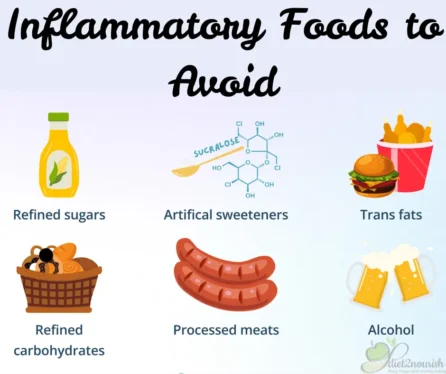
To make your diet plan effective, it is important to limit or avoid foods that trigger inflammation.
Avoid or reduce:
- Sugary drinks and sweets
- Fried foods
- Processed snacks
- Fast food
- Red and processed meats
- Refined carbs like pastries and white bread
You do not need to be perfect, but reducing these foods will make a big difference.
Sample One-Day Anti-Inflammatory Diet Plan
Here is a simple example to help you get started.
Breakfast:
Oatmeal with blueberries, chia seeds and a drizzle of honey
Snack:
A handful of almonds and an apple
Lunch:
Grilled salmon with quinoa and steamed vegetables
Snack:
Greek yogurt with cinnamon
Dinner:
Grilled chicken, brown rice, and roasted broccoli
Drink:
Water, green tea, or herbal tea throughout the day
This diet plan is balanced, easy to follow and full of anti-inflammatory foods.
Tips to Stick to Your Diet Plan
Starting a new diet plan can feel overwhelming but small steps make it easier.
- Plan your meals in advance
- Cook more meals at home
- Read food labels carefully
- Drink enough water
- Be patient with yourself
Consistency is more important than perfection.
Final Thoughts
An anti-inflammatory diet plan is one of the best ways to support your long-term health naturally. It is not a short-term diet but a lifestyle change that helps your body heal and function better.
By choosing whole foods, healthy fats, lean proteins and plenty of fruits and vegetables, you can reduce inflammation and feel more energetic, active and healthy.
Start small, stay consistent and remember that every healthy choice counts. Your body will thank you for it.