

Foods That Increase Fertility In Females


Understanding Female Fertility And The Power Of Nutrition
When We Discuss Foods That Increase Fertility In Females, We Focus On Nourishing The Body With Nutrient-Dense Ingredients That Support Hormonal Balance, Reproductive Health, And Overall Wellness. While No Single Food Guarantees Conception, A Strategic, Evidence-Informed Diet Can Enhance The Body’s Natural Fertility Processes And Create A Stronger Foundation For A Healthy Pregnancy.
Nutrient-Rich Foods That Naturally Support Female Fertility
Leafy Greens: Essential Sources Of Folate And Antioxidants
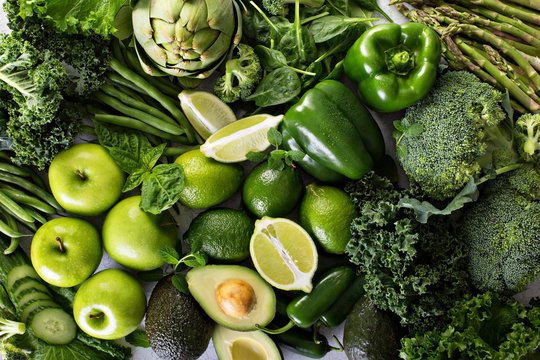
Leafy Greens Such As Spinach, Kale, And Swiss Chard Are Among The Most Important Fertility-Boosting Foods. They Are Packed With Folate, A B-Vitamin Critical For Healthy Ovulation And Early Fetal Development. Their High Antioxidant Profile Helps Reduce Inflammation And Oxidative Stress, Both Of Which Can Negatively Impact Reproductive Function. Including A Variety Of Leafy Greens Daily Supports Hormonal Harmony And Ovarian Health.
Healthy Fats: Supporting Hormone Production And Ovulation
Healthy Fats, Including Avocados, Olive Oil, Nuts, And Seeds, Play A Key Role In Enhancing Female Fertility. These Fats Are Rich In Omega-3 Fatty Acids, Which Support Balanced Hormone Production, Improve Cervical Mucus Quality, And Promote A Healthy Menstrual Cycle. Avocados, Rich In Monounsaturated Fats And Vitamin E, Are Particularly Valuable For Improving Endometrial Health And Overall Reproductive Wellness.
Protein-Rich Foods: Building Blocks For Cellular Development
Proper Protein Intake Is Essential For Fertility. Lean Proteins Such As Beans, Lentils, Eggs, And Poultry Support The Development Of Healthy Reproductive Cells And Maintain Stable Blood Sugar Levels. Plant-Based Proteins Like Lentils And Chickpeas Also Provide Fiber, Iron, And Folate—Nutrients Central To Supporting A Healthy Menstrual Cycle And Preventing Deficiencies That Can Impair Ovulation.
Whole Grains: Balancing Blood Sugar And Hormone Levels
Choosing Whole Grains Such As Quinoa, Brown Rice, Oats, And Whole Wheat Helps Maintain Consistent Blood Sugar Levels, Thereby Supporting Hormonal Stability. Whole Grains Supply Complex Carbohydrates, Fiber, And B Vitamins—Nutrients That Support Healthy Ovulation And Improve The Body’s Ability To Regulate Reproductive Hormones Naturally.
Berries: Antioxidant-Rich Superfoods That Protect Reproductive Cells
Blueberries, Strawberries, Raspberries, And Blackberries Are High In Antioxidants That Protect Eggs From Free Radical Damage. These Nutrients Support Overall Cellular Health And Improve The Quality Of Reproductive Cells. Eating A Cup Of Mixed Berries Daily Provides A Fertility-Friendly Dose Of Vitamin C, Fiber, And Phytochemicals That Support Hormonal Balance.
Full-Fat Dairy: Beneficial For Ovulation And Hormonal Function
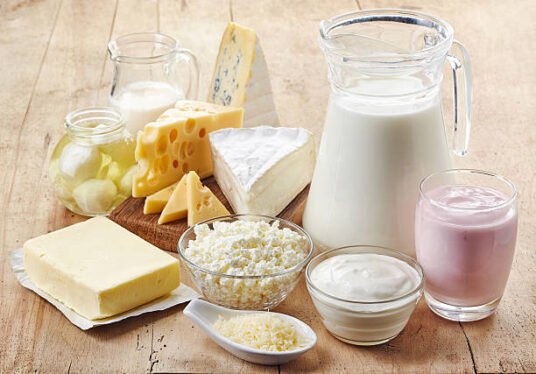
Research Suggests That Full-Fat Dairy Products Such As Whole Milk, Yogurt, And Cheese Can Support Ovulation Better Than Low-Fat Options. These Foods Provide Vitamin D, Calcium, And Healthy Fats—All Essential For Hormone Synthesis And Reproductive Health. Consuming Moderate Amounts Of Full-Fat Dairy May Help Reduce The Risk Of Ovulatory Disorders.
Iron-Rich Foods: Preventing Deficiency To Support Ovulation
Iron Is Essential For Reproductive Function, And Low Iron Levels Are Linked To Ovulatory Issues. Foods Like Beans, Red Meat, Spinach, Pumpkin Seeds, And Fortified Cereals Supply Readily Absorbable Iron That Supports Overall Fertility. Pairing Plant-Based Iron Sources With Vitamin C-Rich Foods Enhances Absorption And Strengthens The Body’s Fertility Potential.
Citrus Fruits: Enhancing Egg Quality And Hormonal Balance
Citrus Fruits Including Oranges, Grapefruits, Lemons, And Limes Offer An Abundance Of Vitamin C, Folate, And Antioxidants. These Nutrients Help Improve The Body’s Ability To Absorb Iron, Support Collagen Production In Reproductive Tissues, And Enhance Egg Health. Citrus Fruits Also Promote A Healthy Immune System, Which Plays A Role In Reproductive Wellness.
Nuts And Seeds: Fertility-Boosting Minerals And Healthy Fats
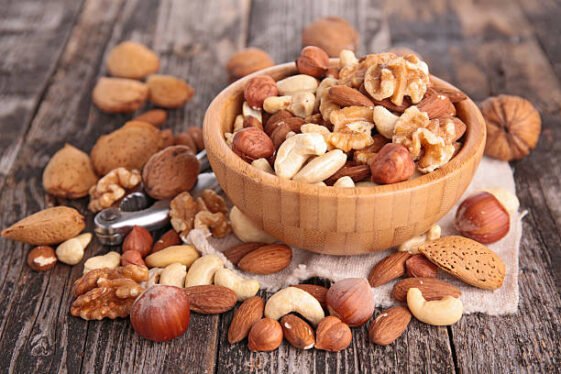
Almonds, Walnuts, Flaxseeds, Sunflower Seeds, And Chia Seeds Deliver High Levels Of Omega-3 Fatty Acids, Zinc, Selenium, And Vitamin E. These Nutrients Support Hormone Production, Protect The Reproductive System From Oxidative Stress, And Improve Egg Quality. A Handful Of Nuts Or A Tablespoon Of Seeds Daily Can Support Fertility Naturally.
Legumes: Fiber-Rich Powerhouses For Hormonal Regulation
Beans, Peas, And Lentils Provide Fiber, Plant-Based Protein, And Essential Minerals That Help The Body Maintain Stable Blood Sugar And Hormone Levels. Their High Folate Content Makes Them Especially Valuable For Women Preparing For Conception. Legumes Also Support Digestive Health, A Key Component Of Hormonal Balance.
Seafood: Omega-3s For Reproductive And Hormonal Health
Salmon, Sardines, And Mackerel Are Excellent Sources Of Omega-3 Fatty Acids That Support Healthy Ovulation, Improve Blood Flow To Reproductive Organs, And Encourage Balanced Hormones. These Fatty Fish Also Contain High-Quality Protein, Vitamin D, And Selenium—All Vital For Reproductive Wellness. Including Seafood Two To Three Times Weekly Supports Fertility Naturally.
Superfoods That Enhance Female Fertility Naturally
Maca Root: A Traditional Fertility Enhancer
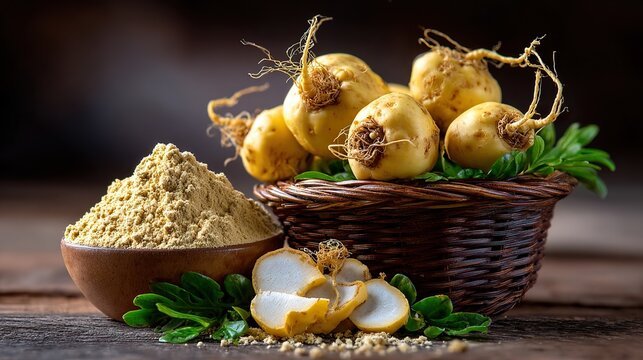
Maca Root, A Nutrient-Dense Superfood, Has Been Used Traditionally To Support Hormonal Balance And Boost Fertility. Rich In Amino Acids, Vitamins, And Minerals, Maca Helps Improve Energy Levels And May Support A More Regular Menstrual Cycle.
Turmeric: Reducing Inflammation To Support Reproductive Health
The Anti-Inflammatory Properties Of Turmeric Can Help Support Fertility By Reducing Chronic Inflammation Within The Body. Its Active Compound, Curcumin, Works As A Powerful Antioxidant Supporting Overall Reproductive Wellness.
Dark Chocolate: Antioxidants For Hormonal Harmony
Dark Chocolate, Especially Varieties Above 70% Cocoa, Contains Antioxidants That Improve Blood Flow, Reduce Stress, And Support Hormonal Balance. Moderate Consumption May Positively Influence Reproductive Health.
Hydration And Fertility: The Importance Of Fluids
Proper Hydration Is Essential For Fertility As It Supports The Production Of Cervical Mucus, A Critical Component For Conception. Drinking Water, Coconut Water, And Herbal Teas Helps Maintain Optimal Hydration Levels And Supports Reproductive Function. Avoiding Excessive Caffeine And Sugary Beverages Helps Keep Hormones Balanced.
Building A Balanced Fertility-Focused Diet
A Fertility-Boosting Diet Should Include A Variety Of Whole Foods Rich In Folate, Iron, Omega-3 Fatty Acids, Antioxidants, Fiber, And High-Quality Protein. Incorporating A Wide Range Of Colorful Fruits, Vegetables, Whole Grains, Lean Proteins, And Healthy Fats Helps Create An Optimal Environment For Conception While Supporting Overall Health.
While Nutrition Plays A Significant Role In Enhancing Fertility, Lifestyle Factors Such As Managing Stress, Maintaining A Healthy Weight, Sleeping Adequately, And Engaging In Regular Physical Activity Also Support Reproductive Health.