

How to Get Pregnant with PCOD Naturally

Trying To Get Pregnant With PCOD Can Feel Like Running A Marathon With Unexpected Hurdles. Some Days Feel Hopeful, Others Frustrating. The Good News? Pregnancy With PCOD Is Absolutely Possible. With The Right Lifestyle Tweaks, Medical Support, And A Lot Of Patience, Many Women With PCOD Go On To Conceive Naturally.
Let’s Break It Down In A Simple, Honest, And Human Way.
Understanding PCOD And Fertility

What Is PCOD?
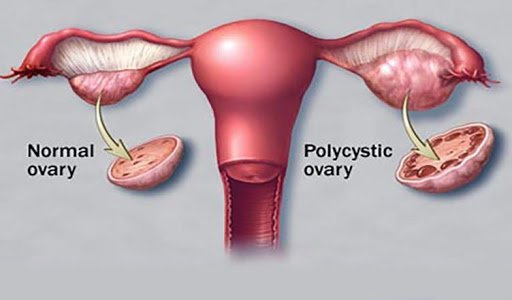
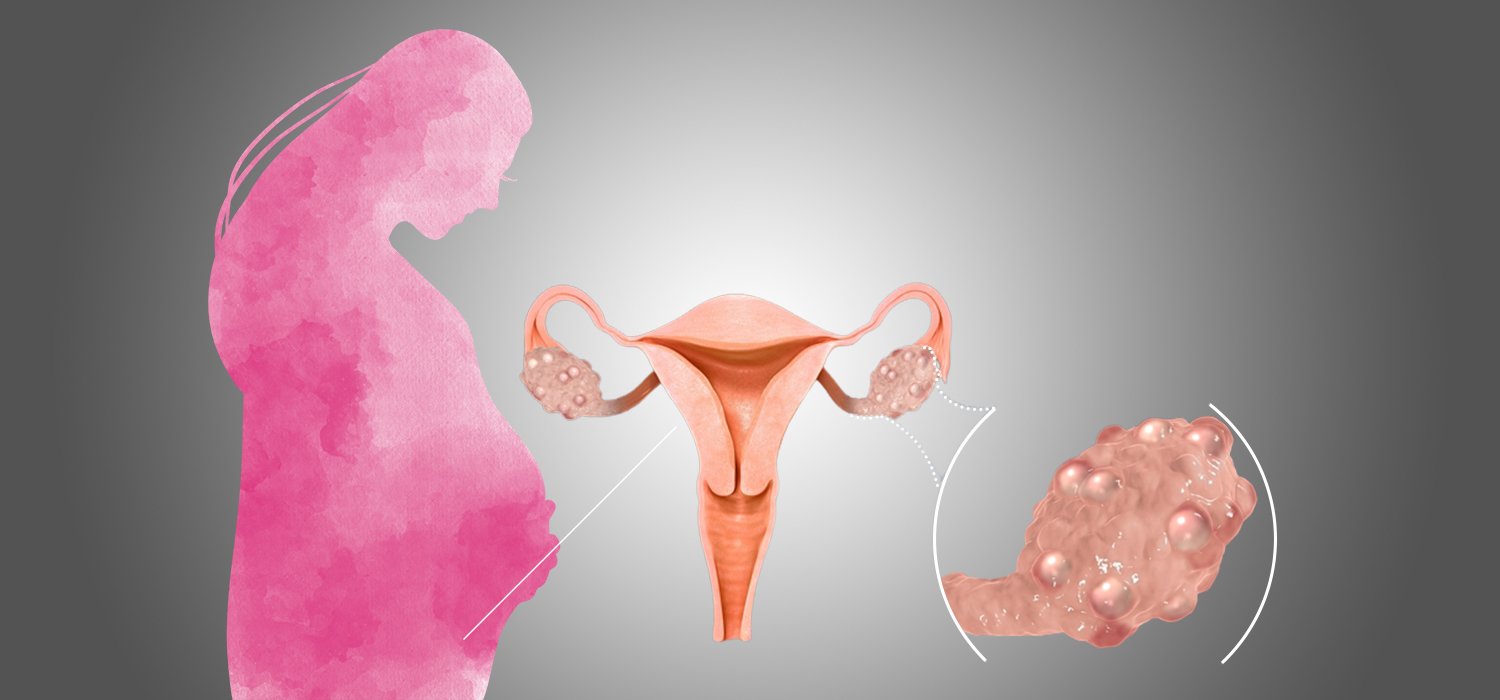
PCOD (Polycystic Ovarian Disease) Is A Hormonal Condition Where The Ovaries Produce Excessive Androgens (Male Hormones). This Leads To Irregular Periods, Cyst Formation, Weight Gain, Acne And Sometimes Difficulty In Ovulation.
How PCOD Affects Ovulation
Ovulation Is Key To Pregnancy. With PCOD, Ovulation May Not Happen Regularly Or At All. Think Of It Like A Traffic Signal Stuck On Red No Egg Release Means No Chance For Fertilization.
Can You Get Pregnant With PCOD?
Common Myths Vs Facts
Myth: Women With PCOD Can’t Get Pregnant.
Fact: Most Women With PCOD Conceive With Proper Management.
PCOD Doesn’t Mean Infertility—It Means Delayed Fertility. Once Hormones Are Balanced, The Body Often Responds Beautifully.
Symptoms Of PCOD That Impact Conception
Irregular Periods
Irregular Cycles Make It Harder To Predict Ovulation. Without Knowing Your Fertile Window, Timing Intercourse Becomes Tricky.
Hormonal Imbalance
High Insulin And Androgen Levels Disrupt Egg Development. Balancing Hormones Is Like Tuning A Guitar—Once Adjusted, Everything Sounds Right Again.
Best Lifestyle Changes To Improve Fertility
Importance Of Weight Management

Even A 5–10% Weight Loss Can Restart Ovulation In Women With PCOD. You Don’t Need Perfection—Progress Works Wonders.
Exercise And Physical Activity
Best Exercises For PCOD
- Brisk Walking
- Yoga
- Strength Training
- Low-Impact Cardio
Avoid Extreme Workouts; Gentle Consistency Beats Intensity.
PCOD Diet Plan For Getting Pregnant
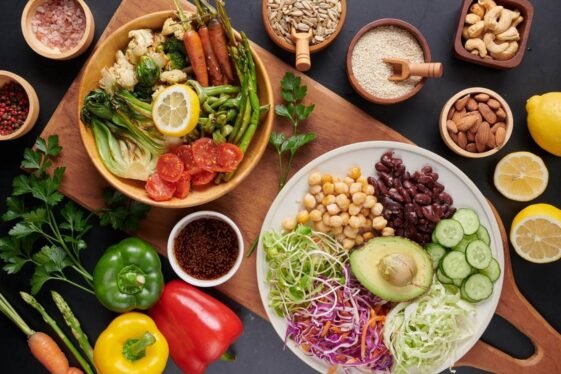
Foods To Eat
- Whole Grains
- Green Leafy Vegetables
- Fruits With Low Glycemic Index
- Lean Proteins
- Healthy Fats (Nuts, Seeds)
Foods To Avoid

- Sugar And Refined Carbs
- Processed Foods
- Sugary Drinks
Your Diet Is Medicine. Every Balanced Meal Nudges Hormones In The Right Direction.
Managing Stress And Sleep
Role Of Mental Health In Fertility
Chronic Stress Raises Cortisol, Which Messes With Reproductive Hormones. Meditation, Journaling, Deep Breathing, Or Even A Daily Walk Can Calm Your Nervous System.
Sleep 7–8 Hours Nightly—Your Hormones Reset While You Rest.
Medical Treatments For PCOD Pregnancy
Ovulation Induction
Doctors May Prescribe Medications Like Letrozole Or Clomiphene To Stimulate Ovulation. These Are Often Very Effective. You Can Consult With Our Fertility Expert At www.brosisherbal.com
When To See A Fertility Specialist
If You’ve Tried For A Year (Or 6 Months If Over 35), It’s Time To Consult A Specialist. Asking For Help Isn’t Failure—It’s Strategy.
Natural Remedies And Supplements
Inositol, Folic Acid, And Vitamins
- Inositol Improves Insulin Sensitivity
- Folic Acid Supports Egg Quality
- Vitamin D Helps Hormonal Balance
Always Consult Your Doctor Before Starting Supplements.
Tracking Ovulation With PCOD
Best Ways To Track Fertile Window
- Ultrasound Monitoring
- Ovulation Predictor Kits (May Be Inconsistent)
- Cervical Mucus Observation
Medical Monitoring Is Often The Most Reliable For PCOD.
Emotional Support And Partner Involvement
Trying To Conceive Can Be Emotionally Draining. Share Your Feelings With Your Partner. PCOD Is Not Just A “Women’s Issue”—It’s A Team Journey.
When Pregnancy Happens: What To Expect
Once Pregnant, Women With PCOD May Need Closer Monitoring Due To Risks Like Gestational Diabetes. With Proper Care, Most Pregnancies Progress Smoothly.
Conclusion
Getting Pregnant With PCOD Is Not About Luck—It’s About Balance. Balance Your Hormones, Lifestyle, Emotions, And Expectations. Some Journeys Take Longer But They Often Lead To The Sweetest Destinations. Trust Your Body, Seek Guidance, And Keep Going—You’re Not Alone.