


How To Improve Fertility After 35

Understanding Fertility Challenges After 35
As we move beyond the age of 35, fertility naturally begins to decline, largely due to a decrease in both the quantity and quality of eggs. Women are born with a finite number of eggs, and as the years progress, chromosomal abnormalities become more common. Additionally, hormonal changes, underlying health conditions, and lifestyle factors all contribute to reduced conception rates.
However, while fertility may decline, it is far from impossible to conceive after 35. With the right approach, lifestyle modifications, medical guidance, and holistic strategies, we can significantly improve the chances of achieving a healthy pregnancy.
Prioritising A Nutrient-Dense Diet For Fertility
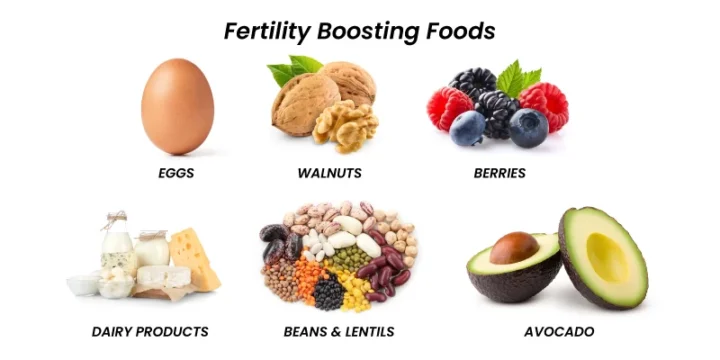
A balanced diet plays a central role in enhancing reproductive health. Consuming the right nutrients can improve egg quality, support hormonal balance, and promote a healthy reproductive system.
Key Fertility-Boosting Nutrients
- Folic Acid: Essential for healthy ovulation and preventing neural tube defects. Found in leafy greens, beans, and fortified cereals.
- Omega-3 Fatty Acids: Improve egg quality and regulate hormones. Sources include salmon, walnuts, and flaxseeds.
- Zinc and Selenium: Support reproductive hormone production and egg development.
- Iron: Prevents ovulatory infertility and enhances oxygen flow to reproductive organs.
- Antioxidants: Vitamins C and E protect eggs from oxidative stress, promoting better fertility outcomes.
A Mediterranean-style diet—rich in fresh vegetables, fruits, lean proteins, olive oil, and whole grains—has been scientifically linked to improved fertility outcomes.
Maintaining A Healthy Weight For Optimal Fertility
Both underweight and overweight conditions can disrupt hormonal balance and interfere with ovulation. Body fat produces estrogen, and excess levels may lead to irregular menstrual cycles or anovulation. Conversely, being underweight can reduce estrogen levels, preventing proper ovulation.
Experts recommend maintaining a Body Mass Index (BMI) between 20 and 25, as this range supports reproductive health. Incorporating regular low-impact exercises such as yoga, swimming, and walking can help maintain hormonal balance without causing stress on the body.
Managing Stress To Enhance Fertility
Chronic stress triggers the release of cortisol, a hormone that can suppress reproductive function by interfering with gonadotropin-releasing hormone (GnRH). This hormone is vital for the release of eggs and maintaining a regular menstrual cycle.
Engaging in stress-reduction techniques such as meditation, acupuncture, deep-breathing exercises, or mindfulness can drastically improve hormonal regulation and fertility. Taking time to unwind and focus on mental wellness is just as important as physical health in the fertility journey.
Understanding The Role Of Hormones
At age 35 and beyond, hormonal fluctuations can become more pronounced. Progesterone levels may decrease, leading to shortened luteal phases or difficulty sustaining early pregnancy. Monitoring hormone levels through blood tests can help identify imbalances in:
- FSH (Follicle-Stimulating Hormone) – High levels may indicate lower ovarian reserve.
- AMH (Anti-Müllerian Hormone) – Reflects egg quantity.
- Estradiol and Progesterone – Essential for ovulation and implantation.
Working closely with a fertility specialist allows for a personalised treatment plan, potentially including hormonal therapies or ovulation-stimulating medications to improve conception chances.
Limiting Environmental Toxins And Hormone Disruptors
Exposure to endocrine-disrupting chemicals (EDCs)—found in plastics, pesticides, and certain cosmetics—can negatively impact fertility by mimicking or blocking natural hormones. To reduce exposure:
- Use glass or stainless-steel containers instead of plastic.
- Choose organic produce when possible to limit pesticide intake.
- Avoid skincare products with parabens, phthalates, or BPA.
- Filter drinking water to remove chemical contaminants.
Small lifestyle shifts toward natural and non-toxic living can make a significant difference in hormonal balance and reproductive health.
Improving Male Fertility For Couples Trying To Conceive
Fertility is a shared responsibility. After 35, male fertility can also decline due to reduced sperm motility and count. To support male reproductive health:
- Maintain a nutrient-rich diet high in antioxidants.
- Avoid excessive alcohol and smoking.
- Limit heat exposure to the testicular area (e.g., saunas, tight clothing).
- Exercise regularly to enhance blood flow and hormone levels.
- To increase male fertility you can buy our ayurvedic products
Healthy sperm quality plays a vital role in achieving a successful pregnancy and ensuring healthy embryo development.
Exploring Fertility Treatments And Medical Support
For many couples over 35, assisted reproductive technologies (ART) provide an effective path toward parenthood. Depending on your specific situation, options include:
- Intrauterine Insemination (IUI): Increases the number of sperm reaching the egg.
- In Vitro Fertilisation (IVF): Combines eggs and sperm outside the body for implantation.
- Egg Freezing or Donor Eggs: Ideal for those with low ovarian reserve or diminished egg quality.
- You can take our fertility supplement by clicking here for Men’s and Women’s
Modern fertility treatments continue to evolve, offering higher success rates and personalised care tailored to age, hormonal profile, and reproductive history.
Timing Intercourse And Understanding Ovulation
Accurate ovulation tracking is crucial after 35, as the fertile window can be shorter. Ovulation predictor kits, basal body temperature tracking, and fertility apps help identify the most fertile days. Having intercourse during the two days leading up to ovulation increases the likelihood of conception.
Additionally, maintaining regular menstrual cycles through lifestyle balance and nutritional support helps regulate ovulation patterns, maximising fertility potential.
The Importance Of Sleep And Recovery

Adequate sleep—between 7 to 9 hours per night—supports hormone regulation, stress reduction, and overall reproductive health. Poor sleep can disrupt the delicate balance of estrogen, progesterone, and insulin, leading to irregular ovulation and reduced fertility.
Creating a consistent sleep schedule, limiting blue light exposure before bedtime, and ensuring a calm, dark sleeping environment can greatly enhance fertility outcomes.
When To Seek Professional Guidance
If conception has not occurred after six months of regular, unprotected intercourse at age 35 or older, it is advisable to consult a fertility specialist. Early evaluation can help identify potential barriers such as blocked fallopian tubes, diminished ovarian reserve, or hormonal imbalances.
With early intervention, advanced diagnostics, and a personalised fertility plan, the chances of conceiving increase dramatically—even after the age of 35.
Final Thoughts
Improving fertility after 35 requires a holistic, proactive approach that nurtures both body and mind. By prioritising nutrition, managing stress, maintaining a healthy lifestyle, and seeking timely medical guidance, we can create the best possible conditions for conception and a healthy pregnancy.
Every small, consistent effort contributes to a stronger reproductive foundation, and age becomes just one factor—not the defining one—in the fertility journey.