


How To Improve Fertility With PCOS

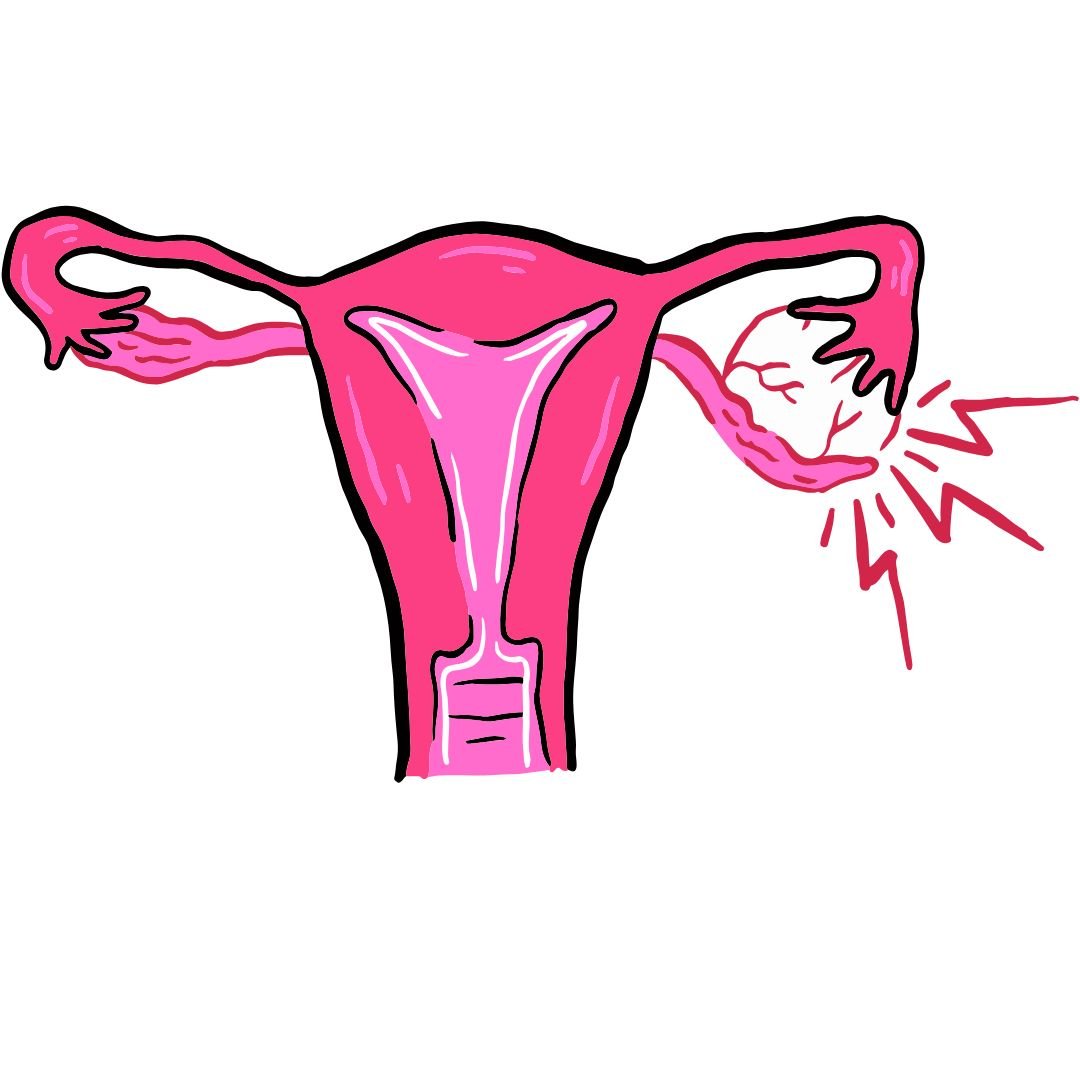
Living with Polycystic Ovary Syndrome (PCOS) can feel like an uphill battle, especially when trying to conceive. But here’s the good news — improving fertility with PCOS is completely possible! With the right lifestyle choices, medical support, and a bit of patience, you can boost your chances of becoming pregnant naturally or with treatment.
Understanding PCOS (Polycystic Ovary Syndrome)
What Is PCOS?
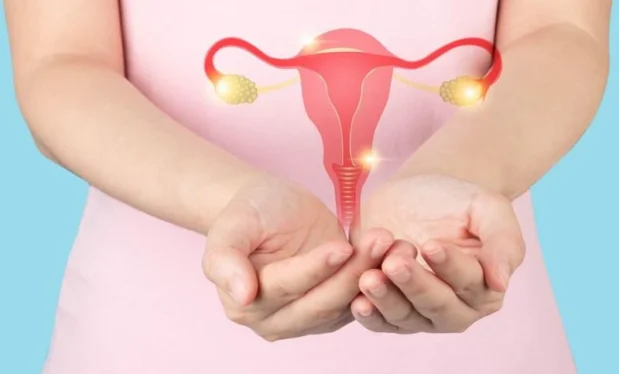
PCOS is a common hormonal disorder that affects how the ovaries work. It leads to irregular periods, excessive androgen levels (male hormones), and cysts in the ovaries.
Common Symptoms Of PCOS
- Irregular or missed periods
- Weight gain, especially around the abdomen
- Excess hair growth (hirsutism)
- Acne or oily skin
- Difficulty getting pregnant
How PCOS Affects Fertility
Hormonal Imbalance And Ovulation
In PCOS, the ovaries often fail to release eggs regularly due to hormonal imbalances, making it harder to conceive.
Insulin Resistance And Weight Gain
Many women with PCOS have insulin resistance, which leads to higher insulin levels and promotes fat storage, further disrupting hormone balance.
Diagnosing PCOS Properly
Blood Tests And Ultrasounds
Doctors usually perform blood tests to check hormone levels and an ultrasound to look for cysts on the ovaries.
Tracking Menstrual Cycles
Keeping a record of your periods can help identify irregularities and provide valuable information to your doctor.
Lifestyle Changes To Improve Fertility With PCOS
Healthy Diet And Nutrition
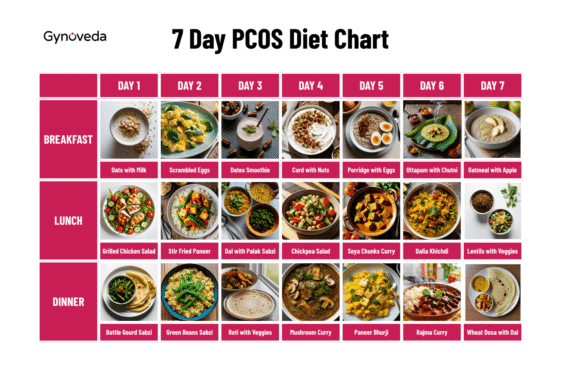
A balanced diet rich in whole foods, lean proteins, and complex carbs helps regulate insulin levels and support ovulation.
Regular Physical Activity
Exercise not only helps with weight management but also reduces insulin resistance and improves mood.
Stress Management
Chronic stress affects hormone levels. Meditation, yoga, or even a daily walk can make a huge difference.
Diet Tips For Women With PCOS
Best Foods To Eat
- Leafy greens like spinach and kale
- High-fiber foods such as oats and lentils
- Lean protein sources like chicken, fish, and tofu
- Healthy fats from nuts, seeds, and avocados
Foods To Avoid
- Processed foods and refined sugar
- White bread and pasta
- Sugary drinks and alcohol
Maintaining A Healthy Weight
Why Weight Management Matters
Even a small weight loss (around 5–10% of body weight) can help restore ovulation and improve fertility in women with PCOS.
Simple Strategies To Lose Weight Naturally
- Eat smaller, more frequent meals
- Avoid late-night snacking
- Stay hydrated and get enough sleep
Balancing Hormones Naturally
Importance Of Sleep And Routine

Your body thrives on consistency. Regular sleep patterns and balanced meals help stabilize hormones.
Reducing Exposure To Hormone Disruptors
Avoid plastics with BPA and switch to natural skincare products to reduce endocrine disruptor exposure.
Supplements That Support Fertility In PCOS
Vitamin D
Low levels of Vitamin D are common in women with PCOS and can impact fertility.
Omega-3 Fatty Acids
These healthy fats support hormone regulation and reduce inflammation.
Tracking Ovulation With PCOS
Best Tools And Apps
Use apps like Flo or Ovia to track your cycle and symptoms. Ovulation predictor kits can also help.
Understanding Fertile Windows
Even if your cycles are irregular, tracking basal body temperature and cervical mucus can give you clues about ovulation.
The Role Of Mental Health In Fertility
Managing Anxiety And Depression
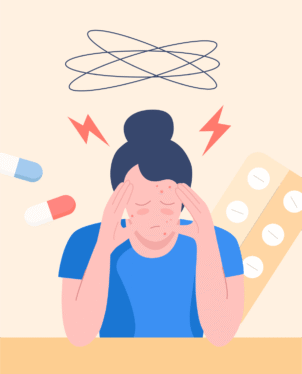
Living with PCOS can be emotionally draining. It’s essential to take care of your mental well-being.
Support Groups And Counseling
Joining PCOS support groups or seeing a therapist can provide motivation and emotional stability.
Alternative And Holistic Therapies
Acupuncture
Some studies suggest that acupuncture may help regulate hormones and promote ovulation.
Herbal Remedies
Herbs like spearmint tea, cinnamon, and maca root have been linked to improved fertility in women with PCOS.
When To See A Fertility Specialist
Signs You Need Medical Support
If you’ve been trying to conceive for over a year (or six months if you’re over 35), it’s time to consult a fertility specialist.
Questions To Ask Your Doctor
- What are my treatment options?
- Do I need fertility medication?
- How can I track my ovulation more effectively?
Conclusion
Improving fertility with PCOS isn’t about perfection — it’s about progress. Every small step, from eating better to managing stress, can make a real difference. Combine lifestyle changes with medical guidance, stay consistent, and remember — your journey is unique. With patience and the right support, pregnancy is absolutely possible.
FAQs
1. Can I Get Pregnant Naturally With PCOS?
Yes, many women with PCOS conceive naturally by adopting a healthy lifestyle and tracking ovulation carefully.
2. Does Losing Weight Help PCOS Fertility?
Absolutely! Even a modest weight loss can restore regular ovulation and balance hormones.
3. Which Diet Is Best For PCOS And Fertility?
A low-glycemic, high-fiber diet rich in vegetables, whole grains, and lean proteins works best.
4. Can Supplements Like Inositol Really Help?
Yes, inositol can improve insulin sensitivity and regulate menstrual cycles, enhancing fertility.
5. How Long Does It Take To Improve Fertility With PCOS?
It varies, but with consistent effort, many women see improvements within 3–6 months.