

Is IVF painful? The Honest Truth: 17 Powerful Facts You Must Know

Introduction: Understanding IVF and Pain Concerns
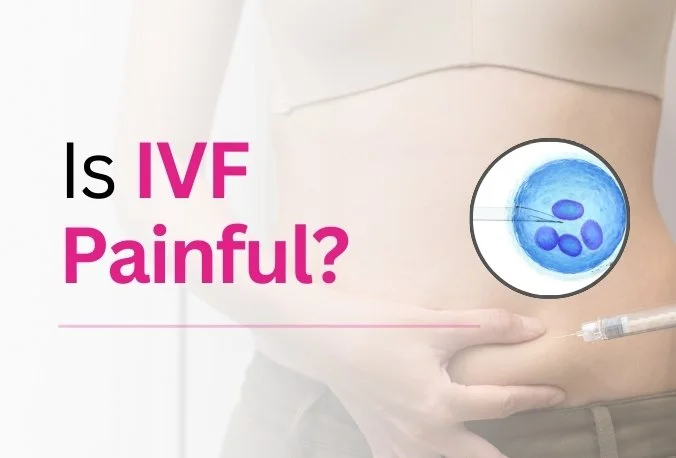
IVF is one of the most talked-about fertility treatments in the world today. IVF has helped millions of people build families, yet many still worry about one big question: Is IVF painful? If you’re considering IVF, it’s normal to feel anxious. You might have heard scary stories or read mixed opinions online. However, the truth is often more balanced than the rumors.
IVF, or in vitro fertilization, involves medical steps that can cause discomfort, but for most people, the pain is manageable. In fact, many describe IVF as uncomfortable rather than painful. Understanding what IVF feels like can help you feel more prepared and confident. In this article, we’ll break down each stage, explain what kind of pain to expect, and share ways to cope.
By the end, you’ll have a clear, honest picture of IVF pain, both physical and emotional, so you can make an informed decision.
What Is IVF? A Simple Explanation
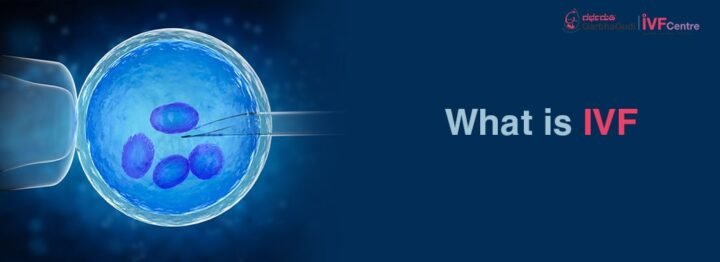
IVF is a medical process where an egg and sperm are combined outside the body to create an embryo. That embryo is then placed into the uterus to start a pregnancy. IVF is often used when natural conception is difficult due to age, health issues, or unexplained infertility.
Why People Worry About IVF Pain
Many people fear IVF because it involves:
- Daily hormone injections
- Medical procedures
- Emotional ups and downs
Because IVF is personal and complex, stories vary widely. Some people report mild discomfort, while others feel more intense sensations. Still, most fertility experts agree that IVF pain is usually temporary and treatable.
How Pain Is Experienced During IVF
IVF pain isn’t one-size-fits-all. Everyone experiences IVF differently based on body type, health and stress levels.
Pain Thresholds and Personal Differences
Some people have a high pain tolerance and barely notice IVF discomfort. Others are more sensitive and feel stronger sensations. Age, hormone response and previous medical experiences all play a role.
Emotional vs Physical Discomfort
It’s important to separate physical pain from emotional strain. IVF can be emotionally challenging due to:
- Hormonal changes
- Waiting periods
- Fear of failure
Sometimes, emotional stress feels heavier than physical pain. Recognizing this helps you prepare mentally as well as physically.
IVF Process Step-by-Step and Pain Levels
Understanding each step of IVF makes the process feel less scary. Let’s look at where pain might occur.
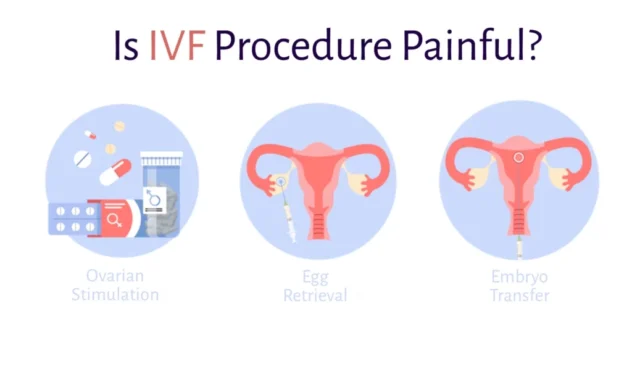
Ovarian Stimulation and Injections
This stage involves hormone shots that stimulate the ovaries to produce multiple eggs. The injections are usually given in the belly or thigh.
What it feels like:
- Mild stinging or burning
- Bruising at injection sites
- Bloating and pressure in the abdomen
Most people say the injections feel like a small pinch. Over time, you may feel full or heavy as your ovaries grow. This is uncomfortable but not usually painful.
Egg Retrieval Procedure
Egg retrieval is often the stage people fear most. However, it’s done under light anesthesia or sedation.
What it feels like:
- Little to no pain during the procedure
- Mild cramping afterward
- Soreness for 1–2 days
Think of it like period cramps. Rest and pain relievers usually help. According to fertility specialists and data shared by the CDC, serious pain or complications are rare.
Embryo Transfer
Embryo transfer is quick and doesn’t require anesthesia.
What it feels like:
- Mild pressure
- Slight cramping for a few minutes
Many compare it to a Pap smear. This is often the least painful part of IVF.
Managing Pain During IVF
The good news is that there are many ways to manage IVF discomfort effectively.
Medical Pain Relief Options
Doctors may recommend:
- Over-the-counter pain relievers
- Heating pads for cramps
- Adjusted hormone doses if pain is high
Always follow medical advice, as some medications aren’t safe during IVF.
Lifestyle Tips to Reduce Discomfort
Simple habits can make a big difference:
- Stay hydrated
- Eat balanced meals
- Wear loose clothing
- Practice gentle stretching or yoga
Also, don’t underestimate rest. Your body is working hard during IVF.
Emotional Impact and Mental Wellbeing
IVF isn’t just physical. The emotional journey matters just as much.
Stress, Anxiety and Coping Strategies
It’s common to feel:
- Nervous before procedures
- Impatient during waiting periods
- Emotional due to hormones
Helpful coping strategies include:
- Talking to a counselor
- Joining IVF support groups
- Practicing mindfulness or breathing exercises
Emotional support can reduce how intense pain feels. When your mind is calm, your body often follows.
Conclusion: Is IVF Pain Worth It?
IVF can cause discomfort, but for most people, it’s manageable and temporary. When weighed against the possibility of building a family, many feel IVF pain is worth it. Knowing what to expect removes fear and builds confidence.
With proper medical care, emotional support, and self-care, IVF becomes less intimidating. If you’re considering IVF, talk openly with your doctor and remember you’re not alone on this journey.